


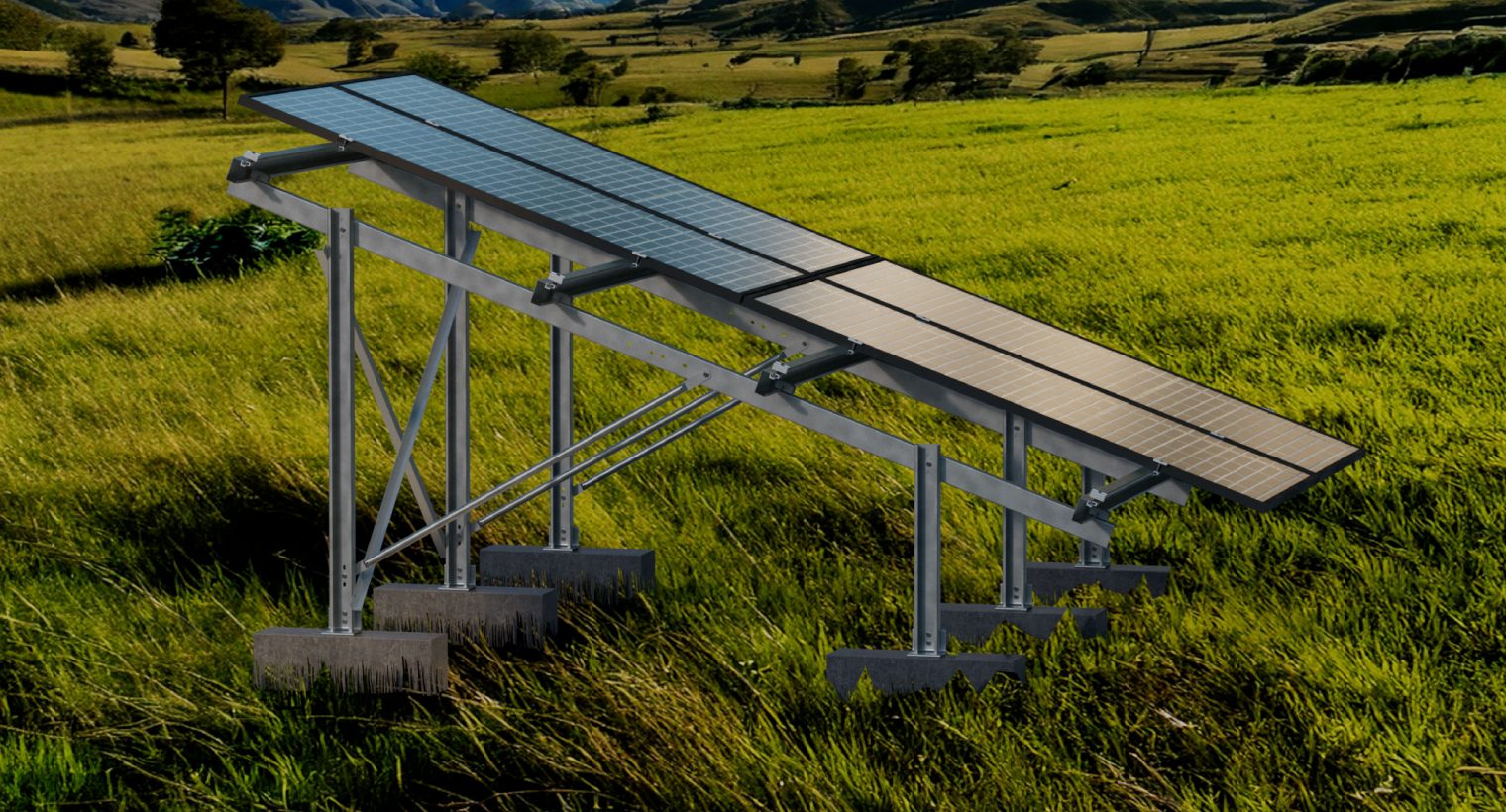
The impact of thermal expansion on photovoltaic structures
In the design of photovoltaic installations, there are factors that make the difference in ensuring a durable system. One of them, often underestimated, is thermal expansion.
Enstall focuses on this phenomenon, as understanding and managing it correctly is essential to guarantee the performance and service life of solar mounting structures.
What is thermal expansion and why does it matter?
Constant exposure to temperature changes and solar radiation causes materials such as aluminium and steel to naturally expand when exposed to heat and contract when exposed to cold. If this behaviour is not properly managed, it can generate mechanical stress that affects both the structure and the photovoltaic modules.
For this reason, Enstall defines certain technical data that help you understand which areas are affected by this phenomenon and how to prevent it. This reduces long-term risks.
The main difference lies in the material used to manufacture the structure. The coefficient of thermal expansion differs between aluminium and steel.
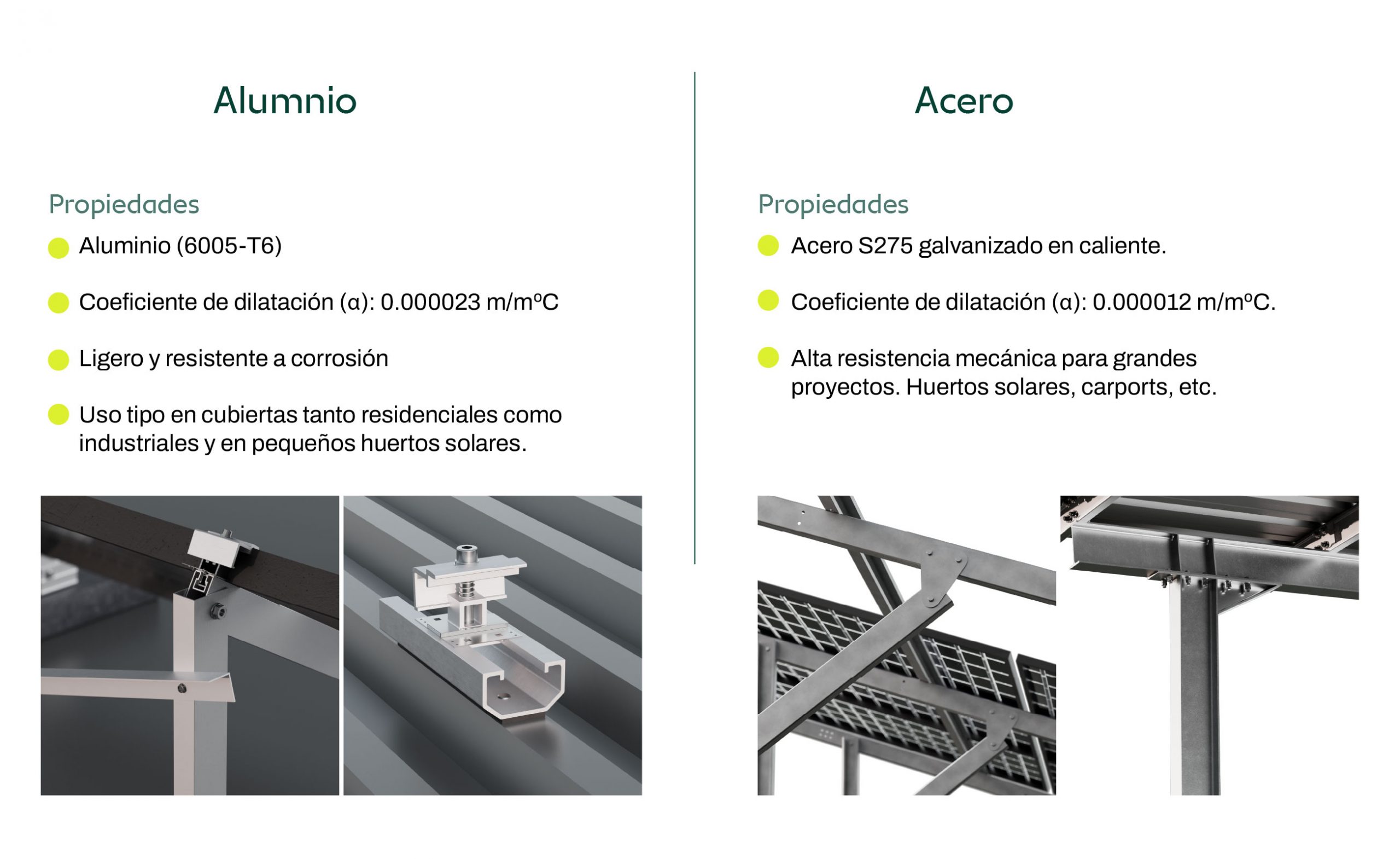
In simple terms, aluminium expands almost twice as much as steel, which has a direct impact on the installation design. Solar panels are also an important factor here, as they are also affected by thermal expansion due to temperature variations.
Thermal expansion in photovoltaic panels
Solar panels are not a uniform block; they are made up of several materials with very different thermal expansion behaviours, including:
- Silicon cells: low thermal coefficient.
- Front glass: moderate expansion.
- Aluminium frame: the component that expands the most within the panel.
Thermal expansion in photovoltaic panels occurs through the aluminium frame and silicon cells, generating mechanical stress, as the cell is exposed to external forces such as soldering, lamination, framing and installation.
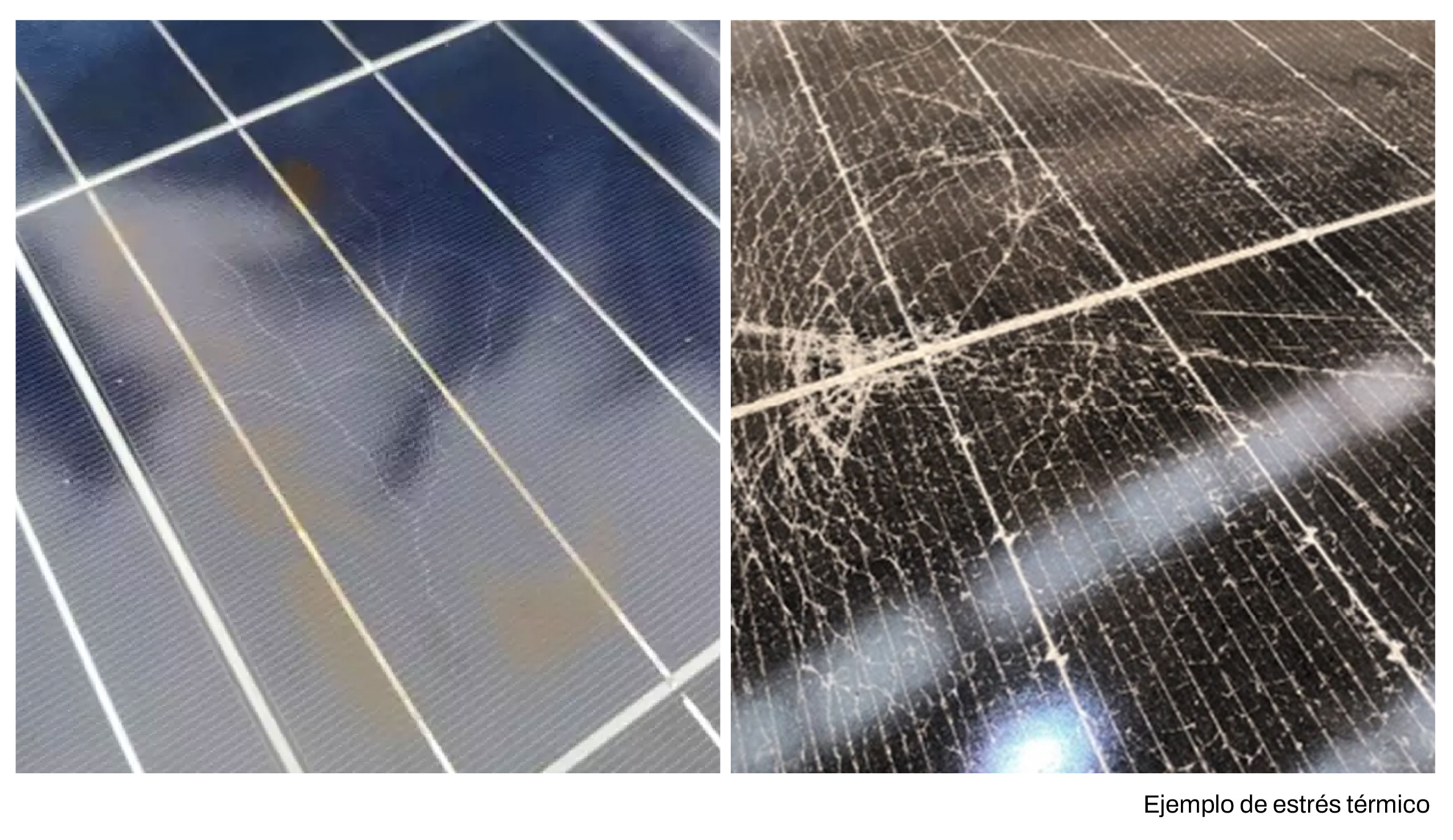
Panels can also suffer from thermal stress, mainly when they are suddenly exposed to high temperatures. In addition, interconnection breakages can occur during contraction and expansion cycles affecting the conductive ribbons, which may cause short circuits or open circuits.
Finally, if the support structure does not allow movement, this stress is transferred to the laminate, causing microcracks that reduce power output and may lead to long-term hot spots. These are some of the factors that can damage the solar panels in your installation.
How can these failures be avoided?
To avoid structural failures or panel breakage, it is mandatory to segment continuous profile lines.
This means that profiles should not be installed in excessively long uninterrupted lengths. Expansion cuts or expansion joints must be introduced at defined points in order to limit continuous sections. These lengths are defined according to the structure material, whether aluminium or steel.
Therefore, during installation it is essential to take the following recommendations into account:
- Maintain a minimum distance of approximately 20 mm, according to the mid-clamps.
- Slotted holes: In steel structures, fixing points usually have oval shapes to allow the screw to “slide” during the day.
- Use rail connectors that do not block mechanical movement between adjacent profiles.
- Respect the maximum lengths of continuous sections. In aluminium, make a physical cut approximately every 20 m; in steel, sections can be extended up to 40 m.
Enstall structures must be installed according to these parameters. In the case of ground-mounted solutions and steel carports, longer distances between cuts can be achieved thanks to the use of slotted holes. This system allows the screw to act as a guide axis without completely restricting movement, providing significant advantages in long sections.
Likewise, the structural design facilitates the absorption of movements. The profile can slide linearly by a few millimetres when the metal expands due to heat or contracts due to cold, thus preventing damage to the structure or shear failures in the screws.
In this context, when respecting maximum lengths, it is essential to consider the installation margin. In long sections, slotted holes facilitate the alignment of purlins on the supports, absorbing small deviations. This prevents mechanical stress from being transferred to the clamps and, ultimately, to the frame or glass of the photovoltaic module, reducing the risk of microcracks.
For this reason, it is essential to follow the specifications indicated in the manufacturer’s installation manuals. This not only ensures optimal structural performance, but also contributes to the durability of the installation and helps prevent possible long-term failures.
Do you need a reliable structure for your next photovoltaic projects?
At Vico Export Solar Energy, we work with professional Enstall solutions, designed to offer strength, durability and safety in demanding solar installations.
If you are an installer, engineering company or photovoltaic sector business, we can help you choose the most suitable structure according to the type of project, roof, ground surface, loads, material and installation requirements.
We offer available stock, technical advice and supply for projects in Spain, Europe and other international markets.
Do not compromise the durability of your installation with a poorly sized structure or one installed without following the manufacturer’s recommendations.
Contact Vico Export Solar Energy and request a professional price for Enstall structures.
📞 960 074 487
📧 comercial@vicoexport.com
🌐 www.vicoexport.com